
The CRA's SR&ED Pre-Claim Review Isn't Built for Tech Startups

The CRA has launched an optional SR&ED pre-claim approval process. Eligible businesses with under $25 million in gross income can submit up to three planned projects, meet with a CRA SR&ED specialist, and receive a determination within eight weeks. Claims made up only of approved projects then qualify for a faster 90-day review.
On paper, it promises early certainty. For fast-moving technology startups, the trade-offs are significant.
1. The initial review is effectively an audit
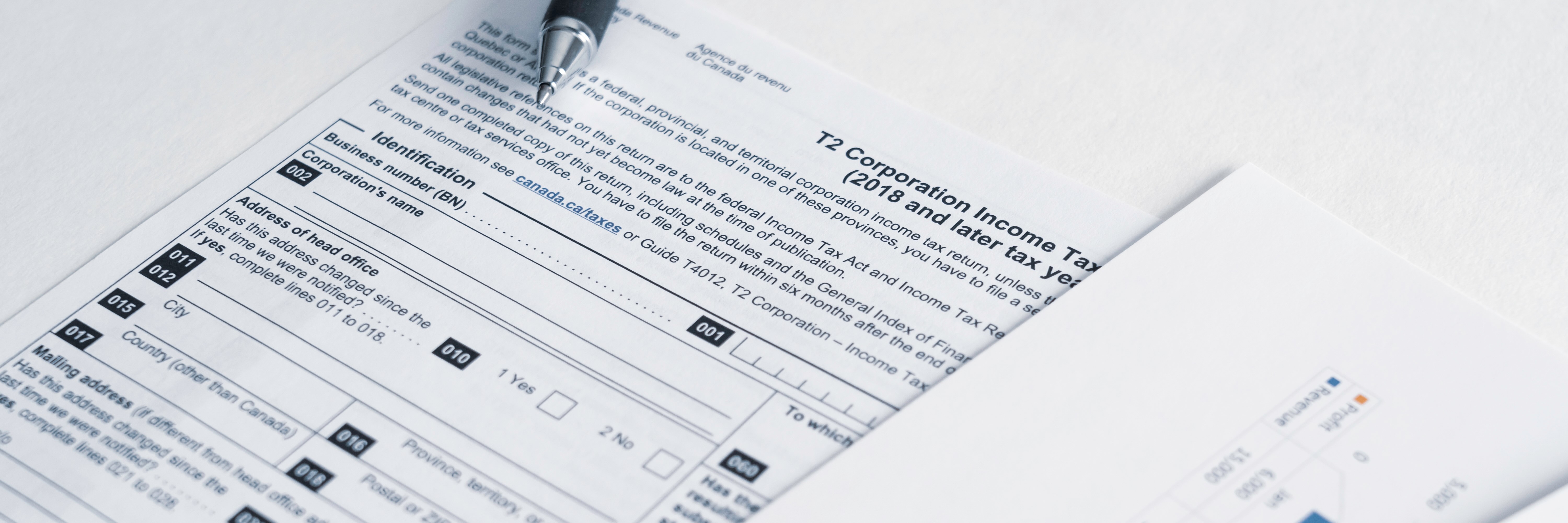
Pre-claim approval is not a formality. You file form T1322 with your project plans, then meet with a CRA SR&ED specialist. A technical expert from your company must attend, even if an advisor prepares your application. The discussion covers the current state of technology, the technological uncertainties you expect to face, your hypotheses and your planned experiments.
In other words, you are defending your SR&ED work before you have done it. The CRA's own materials describe approval as coming “before you start work or incur costs.”
The bigger issue is commitment. An approval covers up to three years of planned work, and startups rarely follow a three-year plan. Product direction shifts with customer feedback, funding rounds and competitive pressure. Tying your SR&ED strategy to projects defined today handcuffs your organization and restricts your ability to react when business conditions and customer needs change.
2. Three projects, and a fourth resets the clock
You can request pre-claim approval for a maximum of three projects. That may suit a single-product company, but most growing tech firms run more concurrent R&D efforts across platform, product and infrastructure.
The faster review applies only to claims that contain nothing but pre-approved projects. Add a fourth project, or any work that emerged mid-year, and the whole claim reverts to the standard 180-day processing time. The benefit disappears exactly when your R&D program starts to grow.

3. The time savings aren't guaranteed
The CRA says the application takes less than a day. In practice, expect significant upfront effort to define uncertainties, research the state of the art and build project plans credible enough to present to a CRA specialist.
The eight-week determination window is a target, not a promise, and there is no escalation process if the CRA runs late. There is also no appeal. If approval is denied, you file a regular claim and may face a standard review anyway.
The headline benefit, processing cut from 180 to 90 days, applies only to claims selected for an expenditure-only review. Expenditures are not assessed during pre-claim approval, so a financial review can still follow. Once you factor in preparation time, the net saving may be zero. More importantly, there is no guarantee your projects will be approved at all.
A better path for startups
For most technology startups, the flexibility of a standard SR&ED claim backed by strong contemporaneous documentation outweighs the promise of early certainty. Mobile Capital Network was founded by people who have built, scaled and exited tech startups. We help companies maximize SR&ED, IRAP and other non-dilutive funding without constraining how they build. Contact us to find the right approach for your R&D program.
Explore more blogs